ISP Week 3:
Del Toro’s Film production:
Q-Make notes on the typical style, tropes, themes and aesthetics of Del Toro’s films. complete a list of bullet points and use still images from the video to illustrate your points.
STYLES
- Uses visual storytelling to convey feelings of characters to audience instead of using masses of dialogue to explain the character’s emotions within scenes.
- Antagonistic characters weakly written to show their lack of power and how it will result in their downfall. For example, the character Captain Vidal from Pan’s Labyrinth.
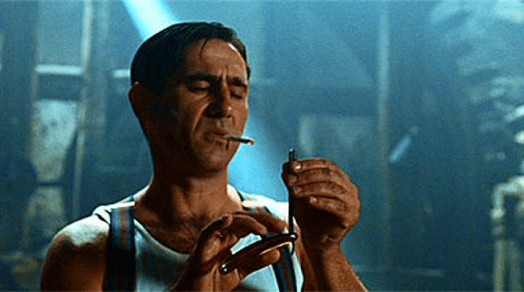
- Protagonist charters are usually orphans, experience a loss of the character they love most and have the power and ability to see spirts or into another world which no one else can. In this case the main character Ofelia became an Orphan as soon as her mother died in childbirth with her younger brother, in which she lost her mother- the person she loved most. Through captain Vidal’s perspective we see that he cannot see the creature that Ofelia is talking to, showing how she sees the way differently to each other.

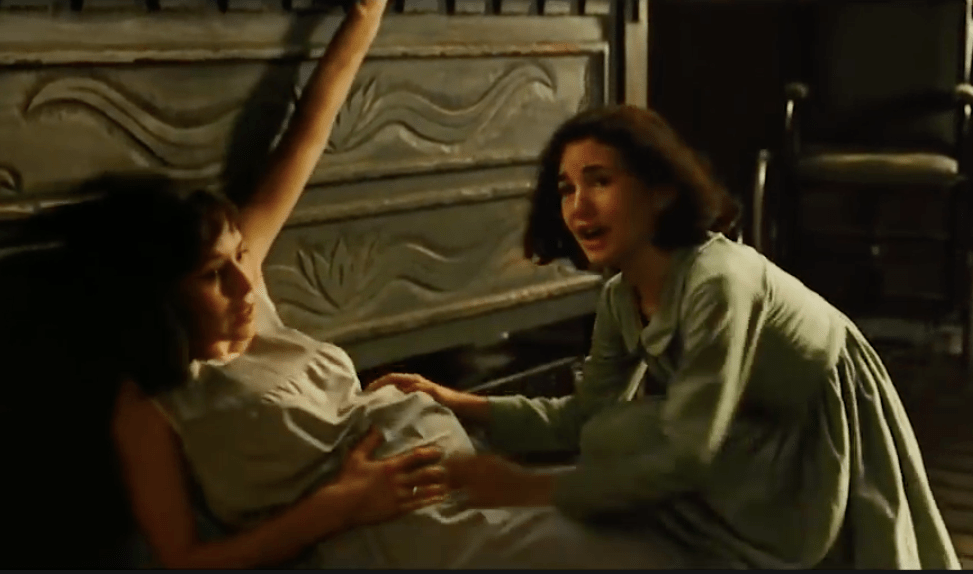
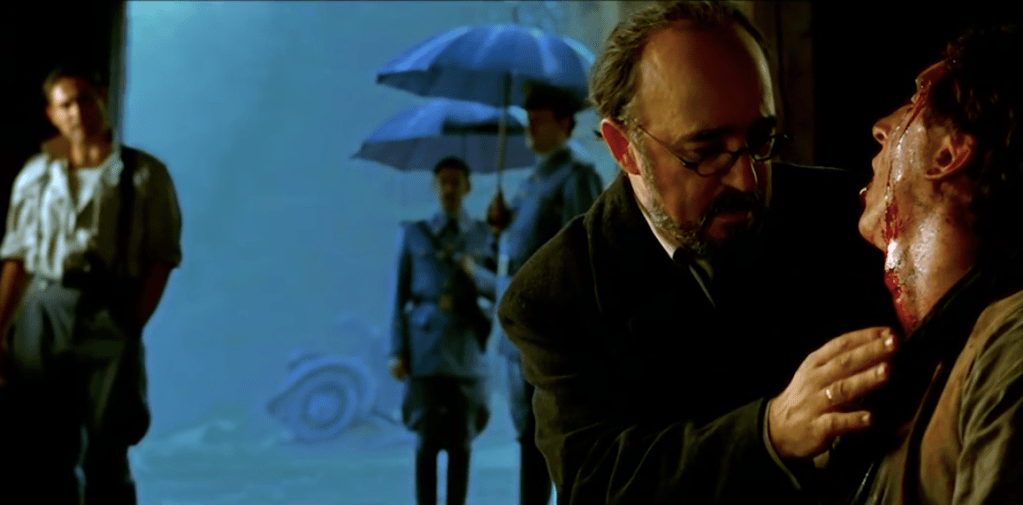
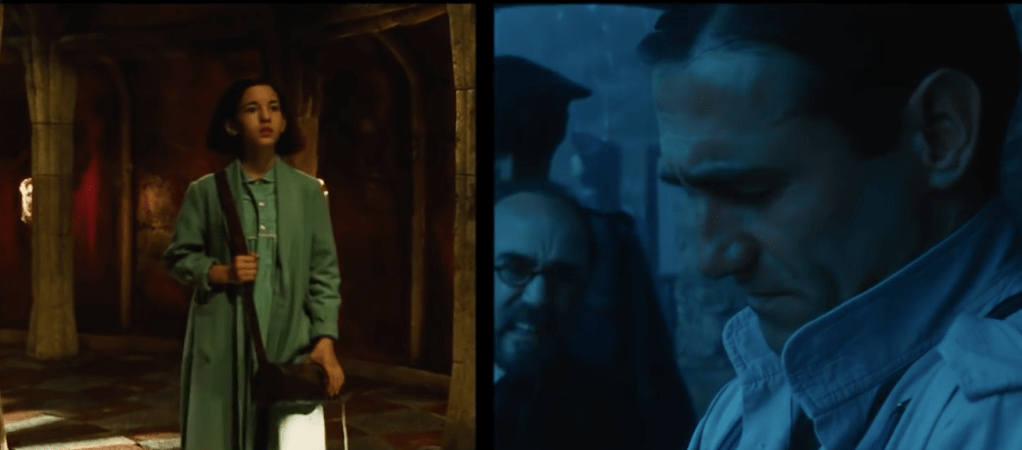
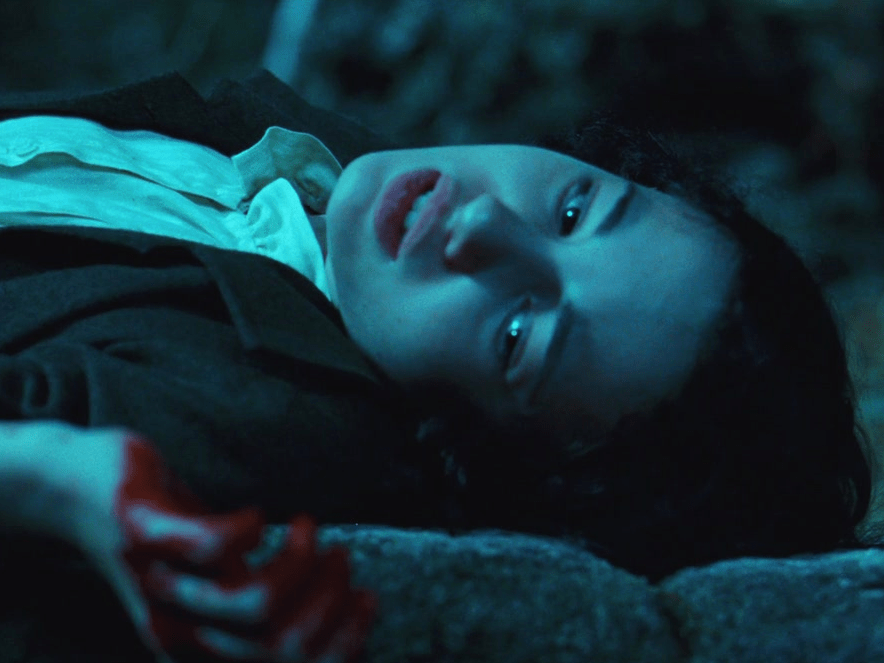
- Uses a specific deep blue and golden yellow colour tone. The deep blue is usually used to show intention wherever the antagonistic characters are and yellow to show the happiness and light that follows around the good characters, for example in Ofelia’s world everything appears golden with warm tones. These colours start to mix as the character’s worlds begin to cross. For example, blue and red are seen in Pan’s Labyrinth to represent the blood of the victims.

THEMES
- Visual style and writing by dark themes, horror and monsters.
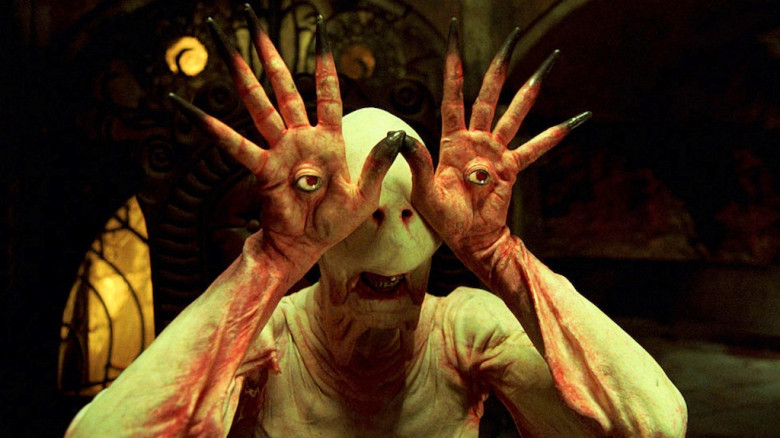
- Dark fairy-tales. For example, monster such as the pale man, is seen eating fairies and pictures of him killing innocent children, which is controversial to regular fairy tale stories.
- The magical world as part of everyday life. For example, in Pan’s Labyrinth Ofelia is expecting the arrival of the fairy and is not shocked when one visits her at night.
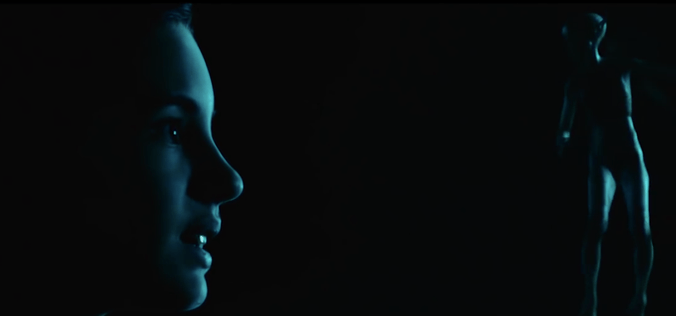
- The antagonist character is usually seen taking advantage of other characters in the story.
- Protagonist characters are defined by ability to make a choice- to deal with their own mistakes or let others suffer with them/ to fit in or to stand out. For example, during the ending of Pan’s Labyrinth Ofelia is given the choice to hand over her baby-brother or protect him. Ofelia’s imaginative personality stands out compared to the other practicality-obsessed characters, like her mother.
- Presents people as monsters and monsters as people with human emotions.
- Monsters are more relatable for their desire to be accepted.
- Monsters presented as misunderstood good creatures with strong ethical standings.

TROPES/VISUAL METAPHORS
- Religious symbolism.
- Scenes at nights.
- Scenes underground.
- Scenes in heavy rain.
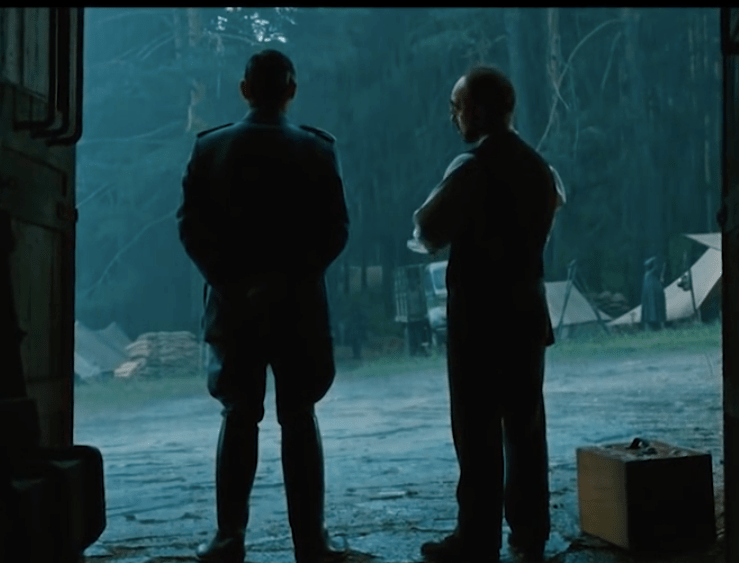
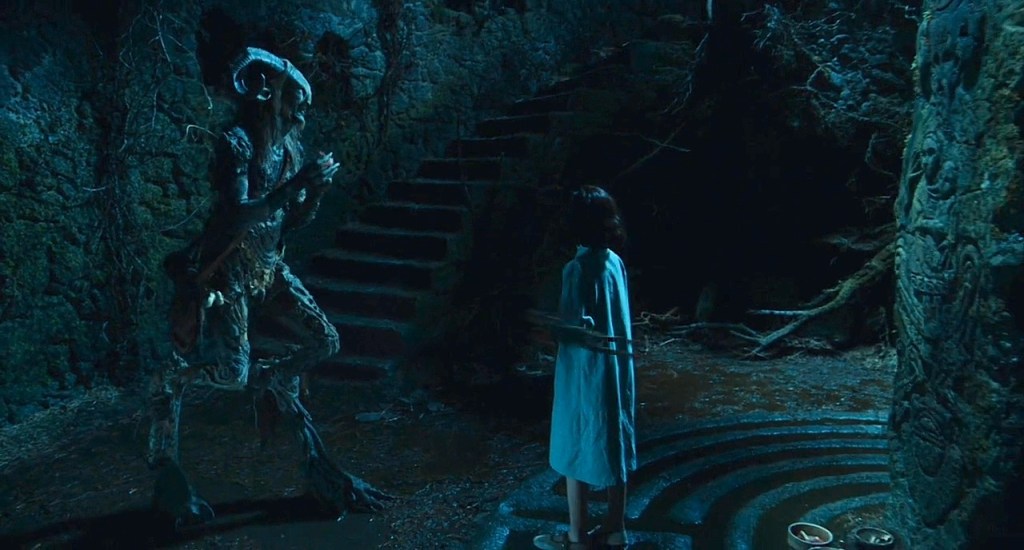
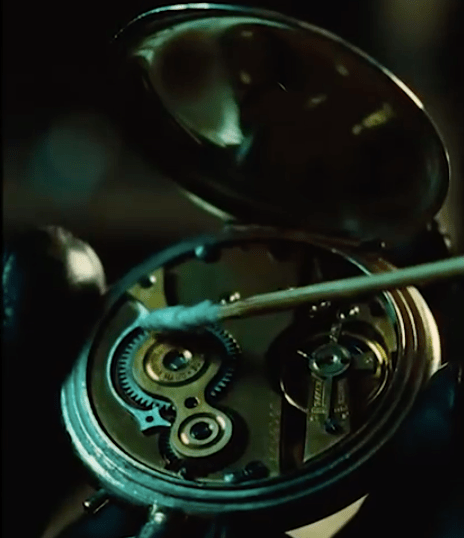
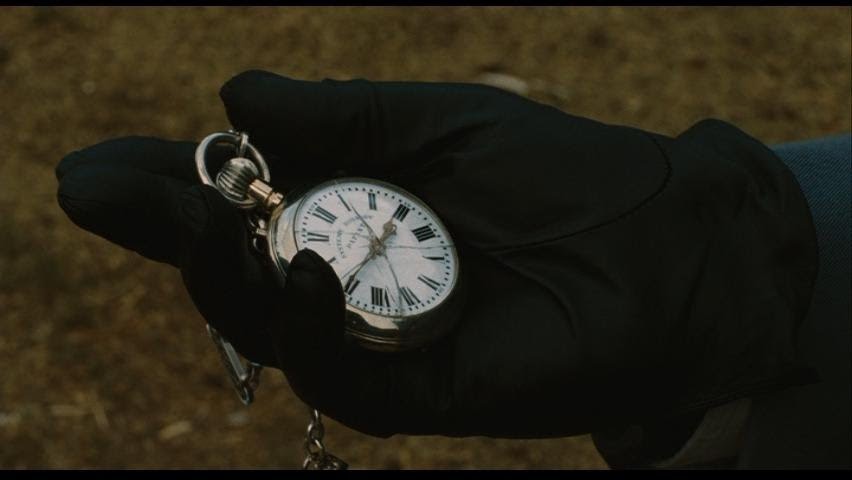
- Clock-work commonly featured. Captain Vidal is obsessed with the time and when the arrival of his own death will be. Vidal’s office is designed to appear as the inside of the clock.
- Children dying- for example, Ofelia’s death.
- Abnormal objects shown in glass containers in scenes.
- Camera constantly moves- never actually stops. For example, his quick pace throughout the movie, in which the camera does stop moving.
- Creatures and monsters.
AESTHETICS
- Sets designed to tell you mostly about the character.
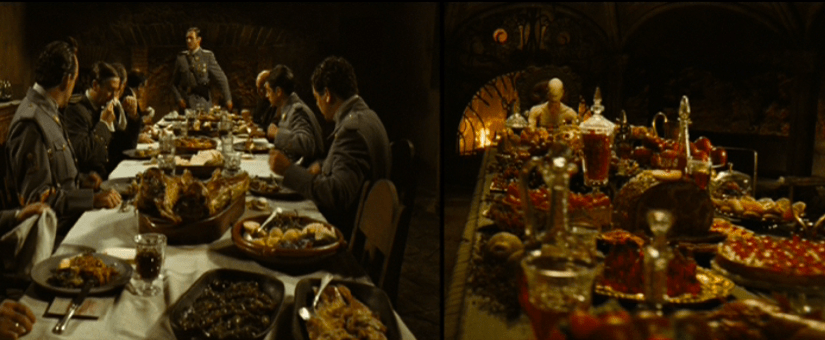
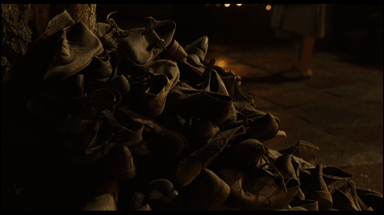
- Small details within the set/props/location/costumes. For example, Ofelia’s red shoes compared to the pile of grey shoes where the Pale man creature was seen in the film. Also, Captain Vidal is referred to the Pale man creature as he sat at the head of the table with a large feast, similar to the creature Ofelia sees.

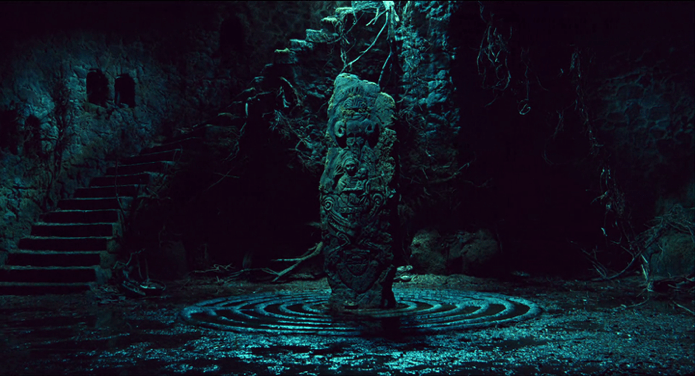
- Uses a statement piece on each set to represent something. For example, the spiralling stone stairs which both the girl from the fairy tale in the opening scene and Ofelia use in Pan’s Labyrinth.
ISP Week 3: Stretch challenge task- Del Toro’s Colours
Q- Write 100 words on how Del Toro uses colour, referencing cinematography and lighting design, mise-en-scene and meaning making.
Del Toro uses three mains colour tones in his films, including red, blue and yellow. These colours are not only used in the design of the set, but also within the studio lighting, costumes and props. Each of these colours are used to present meaning about the scene- Red is used to convey a sense of emergency and tension, usually seen where there is blood or danger. The blue tone usually follows around the antagonistic colours, suggesting the dark and lifeless world that they live in. However, Del Toro uses the yellow tone to show light, happiness and warmth. For example, in Pan’s Labyrinth whenever Ofelia is seen, she is also complimented by golden yellow colours and normally in nature.
 Emma Coe Film Studies